
Piping Materials Compared: PPR vs PVC vs Multilayer
Selecting the right piping material is essential for ensuring reliable water distribution, maintaining consistent pressure, and achieving long-term performance in modern buildings. High-rise towers and large commercial developments require piping systems capable of handling pressure fluctuations, temperature variations, and continuous water flow without compromising safety or efficiency. PPR, PVC, and multilayer pipes are among the commonly used solutions, each offering different performance characteristics depending on the application and installation requirements.
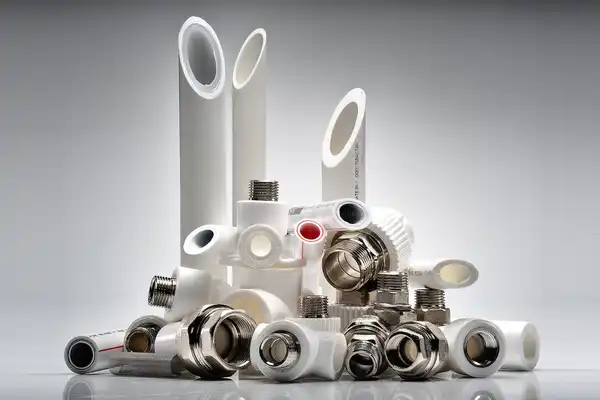
PPR (Polypropylene Random Copolymer) pipes are widely used in hot and cold water supply systems because of their excellent resistance to heat, pressure, and chemical corrosion. Their smooth internal surfaces help maintain efficient water flow while reducing scale formation and deposits. PPR pipes are joined through heat fusion, creating strong, seamless connections that minimise the risk of leakage. Their durability and thermal insulation properties make them suitable for residential buildings, hotels, hospitals, and high-rise developments.
PVC (Polyvinyl Chloride) pipes are commonly used in cold water distribution, drainage, sewage, and waste management systems. They are lightweight, corrosion-resistant, and easy to handle, making installation relatively simple and cost-effective. Their resistance to many chemicals and their smooth internal surfaces support efficient fluid transportation. However, standard PVC pipes have limitations when exposed to high temperatures and are generally not suitable for hot water applications unless specifically designed for such conditions.
Multilayer pipes combine different materials, typically plastic layers reinforced with an aluminium layer, to deliver improved flexibility, dimensional stability, and thermal performance. These pipes are commonly used in hot and cold water distribution, heating systems, and plumbing installations where flexibility and reduced thermal expansion are important. Their layered construction helps minimise oxygen penetration and maintains pipe shape, while suitable fittings provide secure connections and reliable performance.
Choosing between PPR, PVC, and multilayer piping depends on factors such as operating pressure, water temperature, installation conditions, building height, and intended application. While PPR is a strong option for hot and cold water supply, PVC is widely preferred for drainage and cold water systems, whereas multilayer pipes offer flexibility and dimensional stability for specialised plumbing and heating applications.
A properly designed piping network should consider pressure ratings, temperature requirements, jointing methods, water quality, and applicable building standards. Selecting the right material for each application helps minimise leakage risks, reduce maintenance costs, improve water distribution efficiency, and ensure dependable performance throughout the building’s service life.