
Essential Safety Standards for UAE Construction Sites
Construction sites across the United Arab Emirates involve various occupational hazards, including falling objects, working at heights, heavy machinery operations, electrical risks, and exposure to hazardous materials. Maintaining strict safety standards is essential to protecting workers, preventing workplace accidents, and ensuring smooth project execution. UAE construction safety requirements emphasise the proper use of personal protective equipment (PPE), regular safety inspections, worker training, and compliance with applicable occupational health and safety regulations.
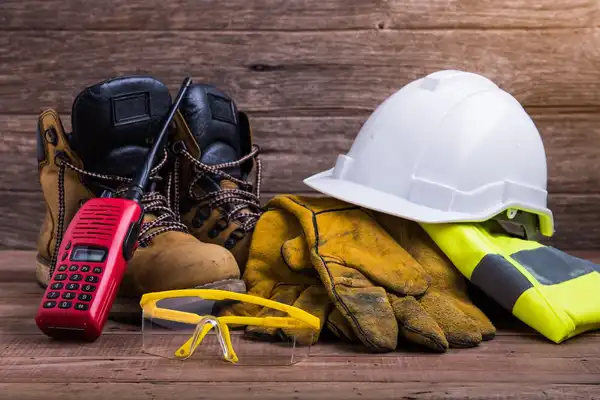
Personal Protective Equipment plays a vital role in reducing the risk of workplace injuries. Depending on the nature of the job, workers must be provided with appropriate safety helmets, protective footwear, high-visibility clothing, gloves, safety glasses, hearing protection, and respiratory equipment. Each item should be suitable for the specific working environment and meet the relevant recognised safety standards. Employers are responsible for ensuring that PPE is properly maintained, regularly inspected, and replaced whenever damaged or no longer effective.
Safety helmets are among the most important protective items on construction sites, particularly in areas where workers are exposed to falling objects, impact hazards, and overhead activities. High-impact helmets designed to meet applicable standards help protect against head injuries and should be selected according to the risks associated with the work. Proper fitting, secure chin straps where required, and regular inspection for cracks, deterioration, or damage are essential to maintaining effective head protection.
Fall protection systems are equally important for workers performing activities on scaffolding, rooftops, elevated platforms, and other locations where falling hazards exist. Full-body safety harnesses, suitable lanyards, energy-absorbing devices, and secure anchorage systems help reduce the risk of serious injuries. These systems must be selected according to the working conditions, inspected before use, and connected to properly designed anchorage points. Workers should also receive appropriate training in equipment usage, fall prevention, and emergency rescue procedures.
In the UAE, construction site safety is governed by applicable federal occupational health and safety requirements, local authority regulations, and project-specific safety procedures. Requirements may vary between emirates and project locations, making it important for contractors and employers to follow the relevant authority guidelines, including those established by local municipalities and occupational safety programmes. Recognised international standards such as EN, ANSI, and ISO may also be referenced for PPE selection and equipment certification, depending on the applicable project requirements.
Beyond protective equipment, effective construction safety depends on regular risk assessments, toolbox talks, site inspections, emergency preparedness, and continuous worker awareness. Proper signage, safe access routes, equipment maintenance, and clearly defined safety responsibilities help create a controlled working environment and reduce preventable incidents.
By implementing appropriate PPE requirements, maintaining certified safety equipment, and following applicable UAE construction regulations, contractors can create safer working environments while improving workforce productivity and project reliability. A proactive approach to occupational safety not only protects workers but also supports responsible and sustainable construction practices.